Dermatosurgical Procedures
We perform minor skin surgeries and advanced procedures with safety and precision to treat various skin, hair, and nail concerns.
Common dermatosurgical procedures include:
Skin Biopsy
A small sample of skin is taken to confirm diagnosis of conditions like infections, cancers, or rashes.
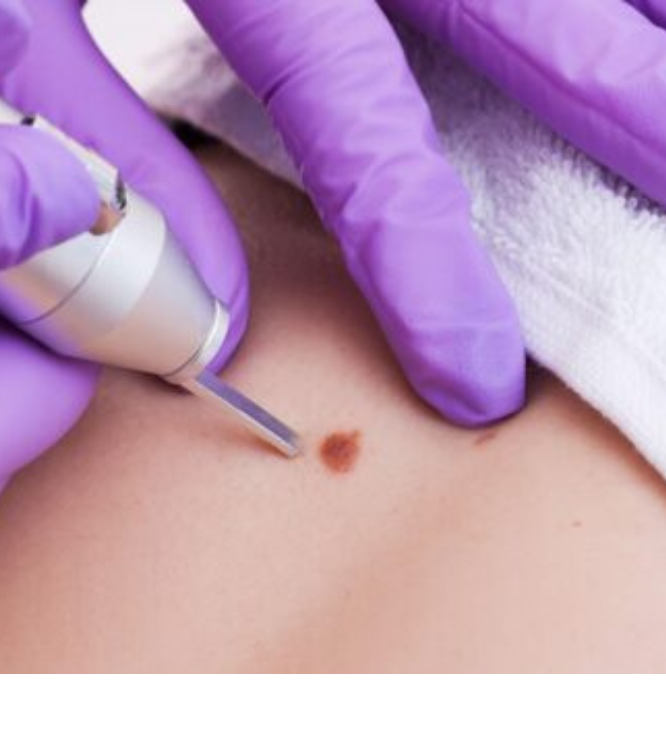
Excision of Moles / Skin Growths
Surgical removal of moles, cysts, or other unwanted skin lumps.
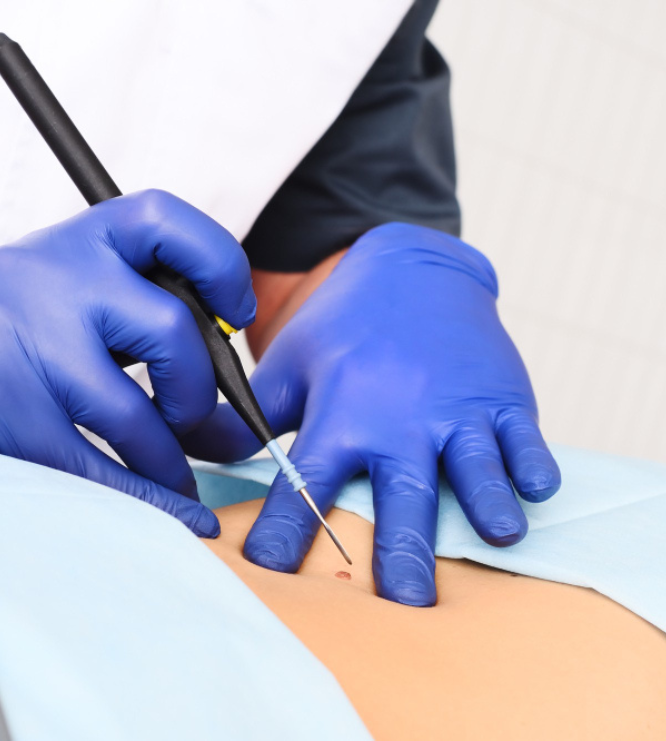
Electrocautery
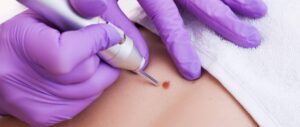
Removal of warts, skin tags, and other growths using controlled electric current.
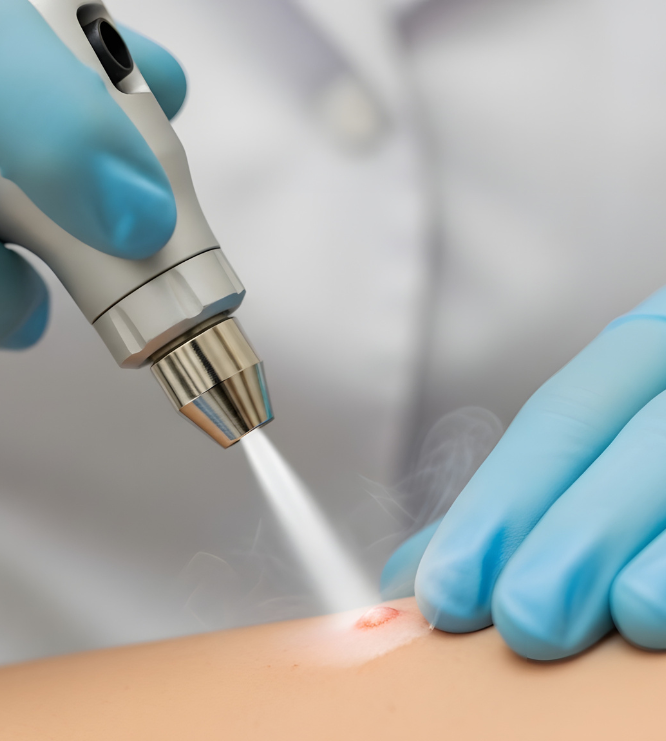
Cryotherapy
Freezing method used to remove warts, skin tags, and precancerous spots.
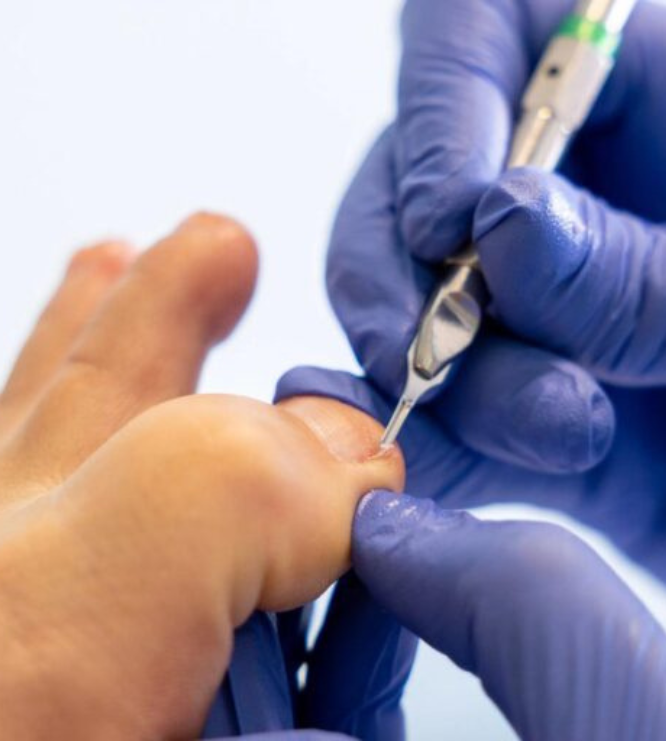
Nail Surgery
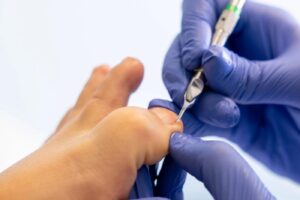
Procedures for ingrown or infected nails to relieve pain and prevent recurrence.
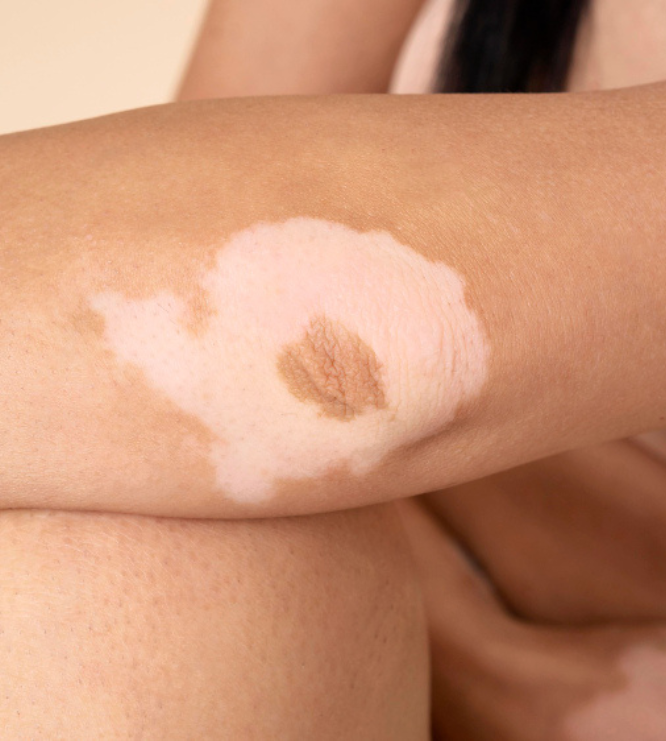
Vitiligo Surgery
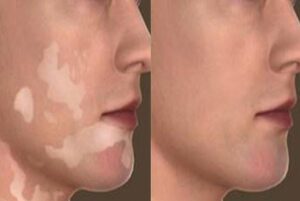
Techniques like skin grafting or melanocyte transfer to restore skin color in stable vitiligo.
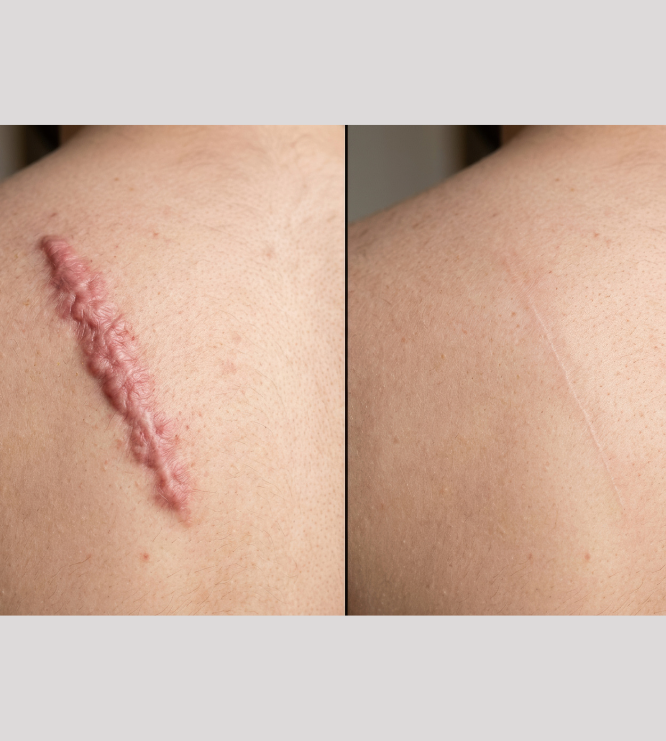
Scar Revision
Procedures to improve the appearance of old or prominent scars.
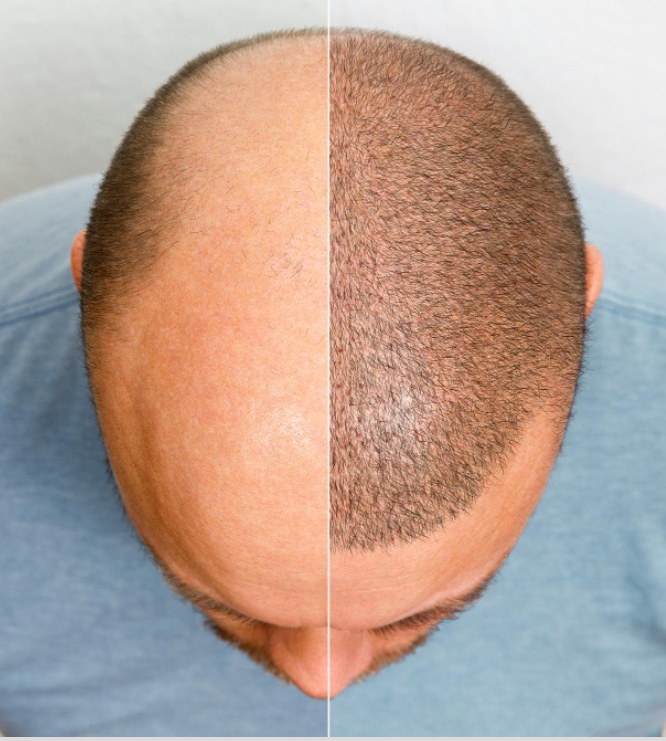
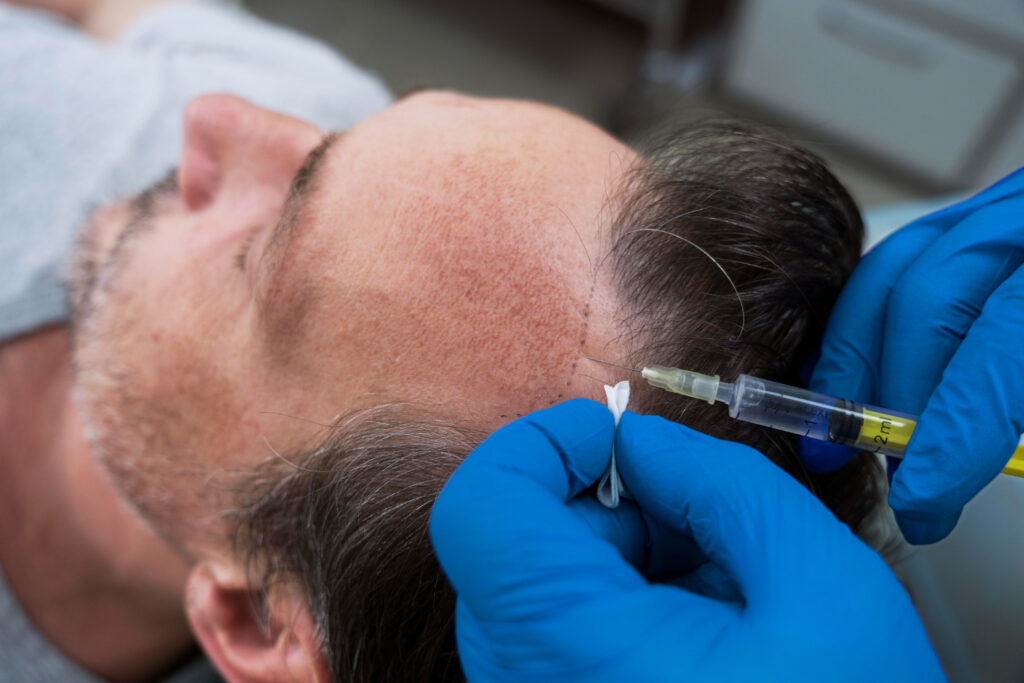
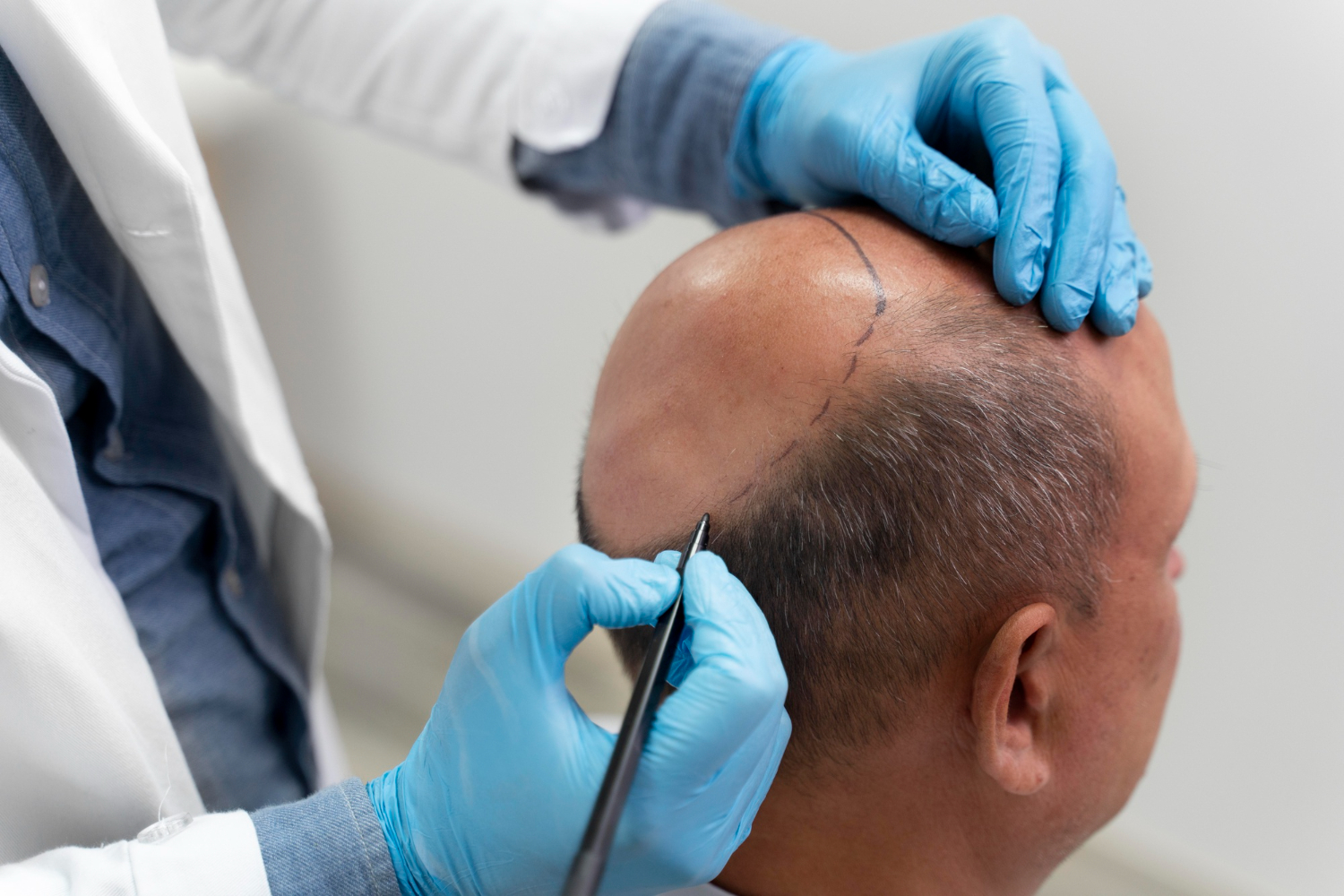
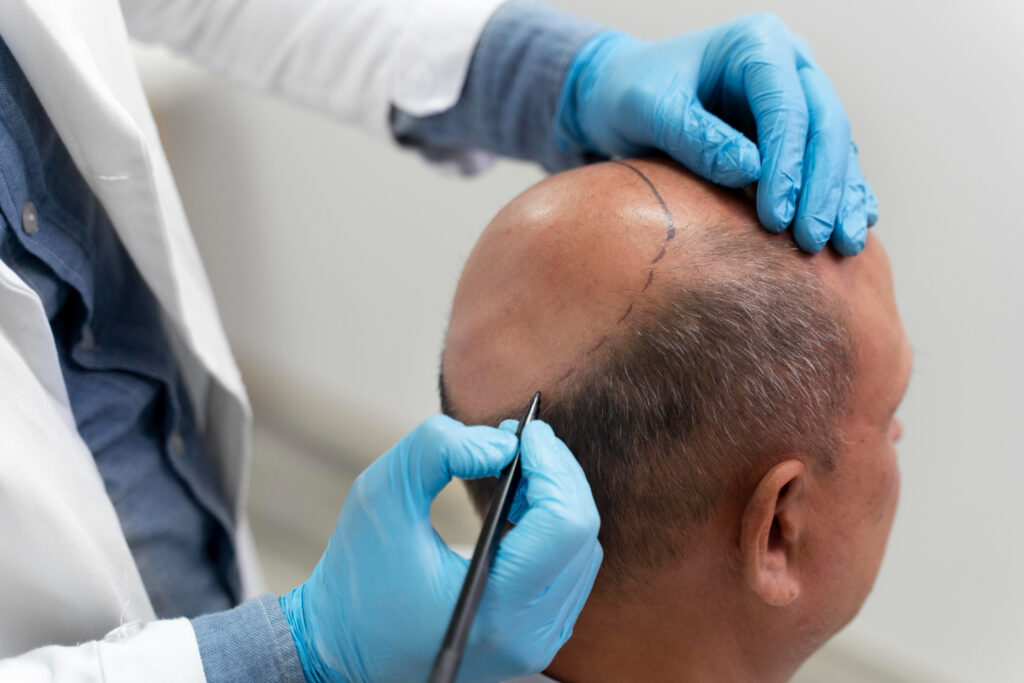
Hair Transplantation
Surgical restoration of hair in areas affected by baldness.
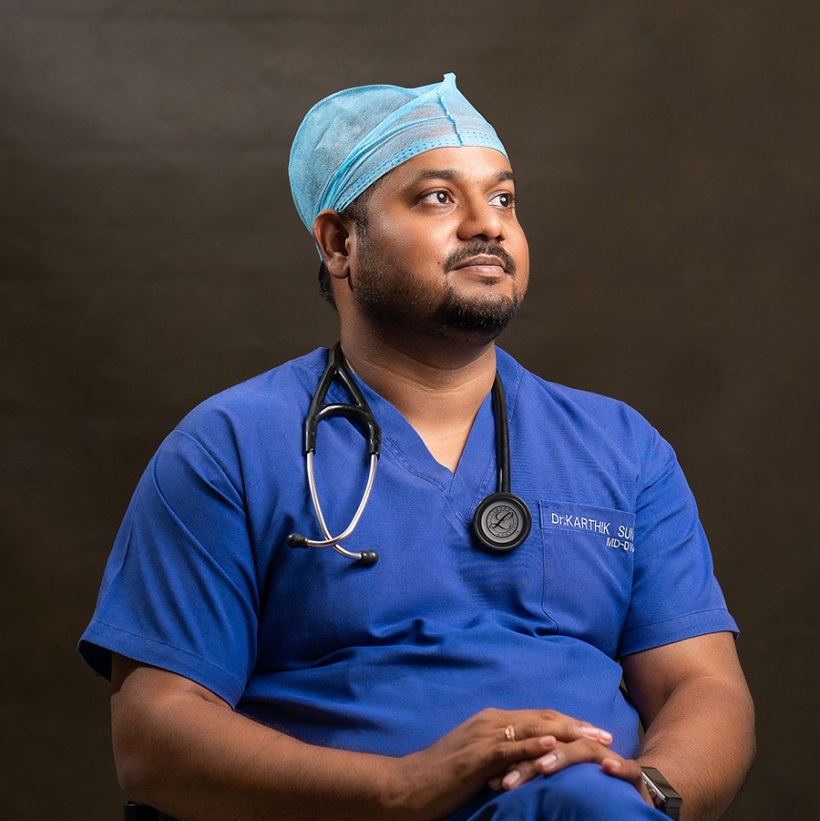
Our Doctor
Dr Karthik Sunki M.D
Dr. Karthik Sunki is a post-graduate in Dermatology, Venereology, and Leprosy from Osmania Medical College in Hyderabad. “Healthy skin, healthy life” is a credo that our doctor wholeheartedly supports.
Achievements
During the years 2018-2020, Dr. Karthik participated in national conferences and presented three papers that won awards.
• Dr. Karthik Participated in the “Asia-Pacific Dermatology and Aesthetic conference” in Singapore in 2019, where he delivered a presentation orally.
Dermatosurgical Procedures
TREATMENTS INCLUDE
Skin Biopsy
Description: A small sample of skin is taken to confirm diagnosis of conditions like infections, cancers, or rashes.
Causes: Unclear diagnosis, suspicious lesions, persistent rashes.
Common Uses: Confirm infections, identify skin cancers, investigate chronic rashes.
Diagnosis: Clinical evaluation; biopsy performed under local anaesthesia.
Treatment Options: Sample sent for histopathology; treatment planned based on results.
Excision of Moles / Skin Growths
Description: Surgical removal of moles, cysts, or other unwanted skin lumps.
Causes: Cosmetic concerns, growths with risk of malignancy.
Common Uses: Mole removal, cyst excision, skin tag removal.
Treatment Options: Surgical excision under local anaesthesia, minimal scarring.
Electrocautery
Description: Removal of warts, skin tags, and other growths using controlled electric current.
Causes: Benign growths, recurrent warts.
Common Uses: Quick removal of superficial skin lesions.
Treatment Options: Single-session removal; minimal downtime.
Cryotherapy
Description: Freezing method used to remove warts, skin tags, and precancerous spots.
Causes: Viral lesions, precancerous skin patches.
Common Uses: Warts, actinic keratosis, skin tags.
Treatment Options: Liquid nitrogen application; may require multiple sessions.
Nail Surgery
Description: Procedures for ingrown or infected nails to relieve pain and prevent recurrence.
Causes: Ingrown nails, chronic infections.
Common Uses: Partial or complete nail removal, corrective procedures.
Treatment Options: Surgical removal, antiseptic care, follow-up for healing.
Vitiligo Surgery
Description: Techniques like skin grafting or melanocyte transfer to restore skin color in stable vitiligo.
Causes: Stable vitiligo resistant to medical treatment.
Common Uses: Repigmentation of depigmented patches.
Treatment Options: Punch grafts, melanocyte transplantation, post-procedure phototherapy.
Scar Revision
Description: Procedures to improve the appearance of old or prominent scars.
Causes: Trauma, surgery, burns, or acne scars.
Common Uses: Cosmetic improvement, functional enhancement.
Treatment Options: Surgical revision, laser therapy, dermabrasion.
Hair Transplantation
Description: Surgical restoration of hair in areas affected by baldness.
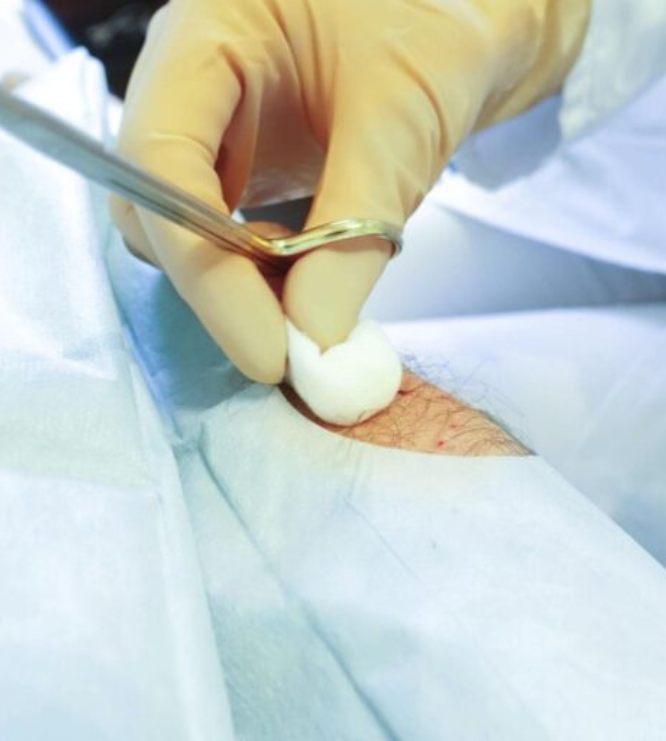
Causes: Male/female pattern baldness, trauma, scarring alopecia.
Common Uses: Hair restoration on scalp, eyebrows, beard areas.
Treatment Options: FUT/FUE techniques, postoperative care for optimal growth.
FUE (Follicular Unit Extraction)
Description: A hair transplant procedure that transfers individual hair follicles to thinning or bald areas.
Causes: Hair loss due to genetics, aging, hormonal changes, or injury.
Common Uses: Restoring hairline, improving hair density, and covering bald spots.
Treatment Options: FUE, DHI, FUT, and medical hair loss treatments.
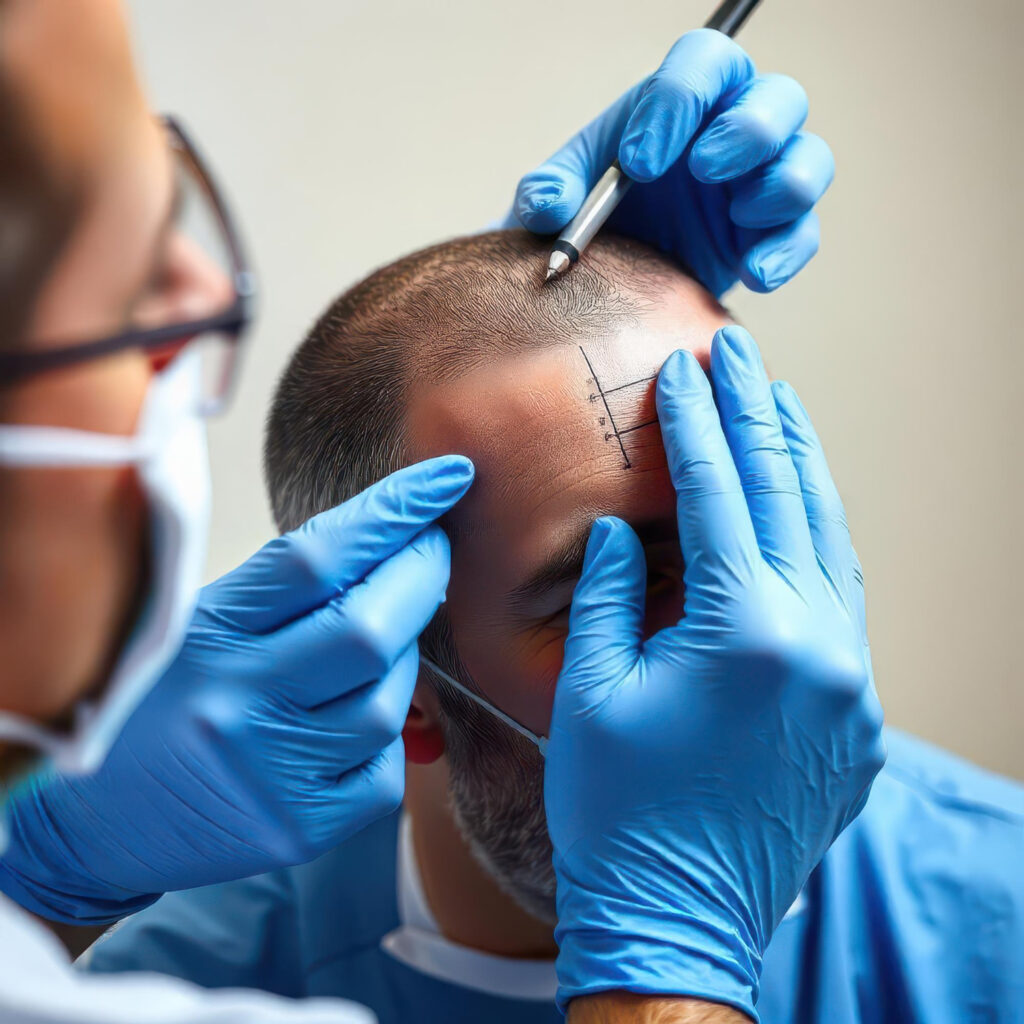
DHI Direct Hair Implantation
Description: An advanced hair transplant technique where hair follicles are implanted directly into the scalp using a specialized implanter pen.
Causes: Hair loss caused by genetics, aging, hormonal changes, or thinning hair.
Common Uses: Hairline restoration, increasing hair density, and treating bald areas.
Treatment Options: DHI, FUE, FUT, and medical hair restoration therapies.
Sapphire hair transplant
Description: A hair transplant technique that uses sapphire-tipped blades to create precise implantation channels for transplanted follicles.
Causes: Hair loss due to genetics, aging, hormonal changes, or thinning hair.
Common Uses: Hairline design, increasing hair density, and restoring bald areas.
Treatment Options: Sapphire FUE, DHI, FUT, and supportive medical hair loss treatments.
OUR DOCTOR
Our Doctor
Dr Karthik Sunki M.D
Dr. Karthik Sunki is a post-graduate in Dermatology, Venereology, and Leprosy from Osmania Medical College in Hyderabad. “Healthy skin, healthy life” is a credo that our doctor wholeheartedly supports.
Achievements
During the years 2018-2020, Dr. Karthik participated in national conferences and presented three papers that won awards.
• Dr. Karthik Participated in the “Asia-Pacific Dermatology and Aesthetic conference” in Singapore in 2019, where he delivered a presentation orally.