Introduction
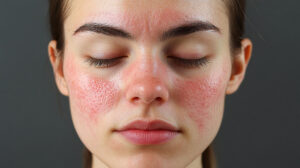
Acne vulgaris, often called pimples, is a common skin condition. Many people, especially teenagers, experience it. However, adults can get it too. This problem happens when hair follicles under the skin become blocked. As a result, pimples, blackheads, or whiteheads may appear. Dermatology experts say acne vulgaris affects millions worldwide. Although it is not dangerous, it can cause stress and affect self-confidence. Understanding acne vulgaris helps you manage and prevent breakouts.
What is Acne Vulgaris?
Acne vulgaris is a skin condition that causes pimples and spots. Usually, it appears on the face, chest, back, and shoulders. The condition happens when oil and dead skin cells clog hair follicles. Because of this, bacteria can grow and cause swelling. Most people get acne during puberty, but it can happen at any age. According to the World Health Organization (WHO), acne is one of the most common skin problems worldwide.
Common Symptoms of Acne Vulgaris
Acne vulgaris can show up in different ways. For example, you may notice:Whiteheads (small, white bumps under the skin)Blackheads (dark spots on the skin)Pimples (red, tender bumps)Pustules (pimples with pus at the tip)Nodules (large, painful lumps under the skin)Cysts (deep, painful, pus-filled lumps)
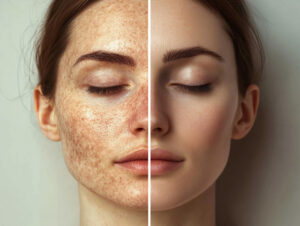
Sometimes, acne can leave scars or dark spots. However, early treatment can help prevent these problems.
Causes and Risk Factors
Several things can cause acne vulgaris. Most often, it starts when oil glands make too much oil. This oil mixes with dead skin cells and blocks pores. But other factors can also play a role. For instance:Hormonal changes (like puberty or pregnancy)Family history of acneStress, which can make acne worseCertain foods, such as dairy or sugary snacksHot and humid weather, which may increase sweatingUsing oily or greasy skin productsSome medicines, including steroids
Although anyone can get acne, teenagers are most at risk. Still, adults can develop it too, especially women.
How is Acne Vulgaris Diagnosed?
Doctors usually diagnose acne vulgaris by looking at your skin. They check the type and number of spots. Sometimes, they ask about your health history. In rare cases, a doctor may suggest tests to rule out other skin problems. However, most people do not need special tests. If your acne is severe or does not improve, a dermatologist can help.
Treatment Options for Acne Vulgaris
There are many ways to treat acne vulgaris. The right treatment depends on how bad your acne is. For mild cases, over-the-counter creams or gels may help. These often contain:Benzoyl peroxideSalicylic acidRetinoids
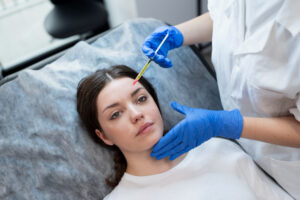
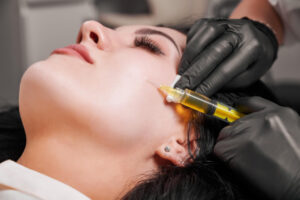
For moderate or severe acne, a doctor may suggest:Prescription creams or antibioticsOral medicines, such as antibiotics or hormonal pillsSpecial treatments, like light therapy or chemical peels
Because each person is different, it is important to follow your doctor’s advice. According to the American Academy of Dermatology, early treatment can prevent scars and boost confidence.
Tips for Managing and Preventing Pimples
Although you cannot always prevent acne vulgaris, you can lower your risk. Try these tips:Wash your face gently twice a dayAvoid scrubbing or picking at pimplesUse oil-free or non-comedogenic skin productsKeep hair clean and away from your faceShower after sweating or exerciseEat a balanced diet with less sugar and dairyManage stress with relaxation techniques
Additionally, always remove makeup before sleeping. If you live in a hot or humid area, wash your face more often to remove sweat and oil.
Conclusion
Acne vulgaris is a common skin condition that can affect anyone. While it is not dangerous, it can be upsetting. However, many treatments and tips can help you manage pimples. If your acne does not improve or gets worse, consult at Dr. Soumya’s Skin Clinic for personalized advice on managing acne vulgaris.