What is Dermatitis (Skin Irritation)?
Dermatitis is a common skin problem. It causes redness, swelling, and itching. Many people call it skin irritation. Although it is not life-threatening, it can be very uncomfortable. For many, finding the right treatment of dermatitis is important for relief. Dermatitis can affect anyone, no matter their age or skin type.
Common Symptoms of Dermatitis
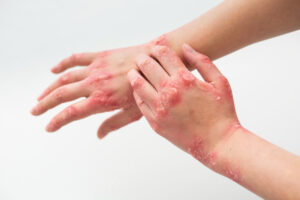
Dermatitis can look different for each person. However, some symptoms are very common. For example, you may notice:Red or swollen skinItching or burning feelingDry or flaky patchesBlisters or oozing spotsCracked or thickened skin
Sometimes, symptoms get worse if you scratch the area. In some cases, the skin may even bleed.
Causes and Risk Factors
There are many causes of dermatitis. Some people get it from touching certain soaps or chemicals. Others may react to plants like poison ivy. In addition, allergies can play a big role. Even stress can make symptoms worse. Here are some common risk factors:Family history of allergies or asthmaLiving in dry or cold climatesFrequent hand washingUsing harsh skin productsWearing wool or rough fabrics
Because everyone is different, triggers can vary from person to person.
Diagnosis: How Dermatitis is Identified
Doctors usually diagnose dermatitis by looking at your skin. They may ask about your symptoms and daily habits. Sometimes, they will ask if you have allergies. In rare cases, a doctor may do a patch test. This test helps find out if something specific is causing your skin irritation. For most people, a simple exam is enough for diagnosis.
Effective Treatment Options for Dermatitis
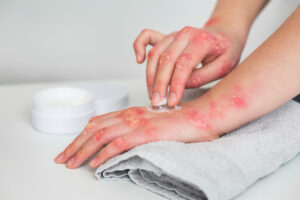
There are many ways to treat dermatitis. The best treatment of dermatitis depends on the cause and how severe it is. Here are some common options:Moisturizers: These help keep skin soft and prevent dryness.Topical creams: Doctors may suggest steroid creams to reduce swelling and itching.Antihistamines: These can help with itching, especially at night.Antibiotics: If the skin gets infected, you may need these medicines.Light therapy: In some cases, doctors use special lights to calm the skin.
For mild cases, over-the-counter creams may be enough. However, for severe or long-lasting dermatitis, a doctor’s advice is best. According to the American Academy of Dermatology, early treatment can help prevent complications.
Home Care and Lifestyle Tips
Besides medical treatment, home care is important. For example, you can:Use gentle, fragrance-free soapsApply moisturizer right after bathingWear loose, soft clothingAvoid scratching, even if it itchesKeep fingernails short to prevent skin damage
In addition, try to stay cool and avoid sweating too much. If you live in a dry area, using a humidifier can help keep your skin moist.
Prevention Strategies
Preventing dermatitis is possible for many people. First, know your triggers and avoid them when you can. Next, keep your skin clean and well-moisturized. Also, choose mild laundry detergents and avoid harsh chemicals. For those in cold climates, protect your skin from wind and cold air. In hot areas, stay cool and avoid too much sun. These steps can lower your risk of flare-ups.
When to See a Dermatologist
Sometimes, home care is not enough. You should see a dermatologist if:Your symptoms do not improve after a weekThe rash spreads or gets worseYou notice signs of infection, like pus or feverIt is hard to sleep or do daily tasks because of itching
Early help from a skin doctor can prevent problems and give you the best dermatitis relief.
For personalized advice and effective dermatitis treatment, consult a dermatologist Soumya’s Skin Clinic.