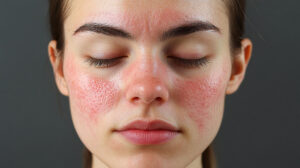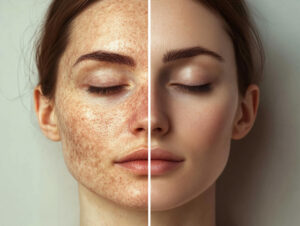
Melasma is a common skin condition that causes brown or gray patches on the face. Many people, especially women, notice these patches on their cheeks, forehead, or upper lip. In fact, melasma affects millions worldwide, making it a frequent concern in dermatology. Because it can impact confidence, understanding melasma causes and treatment options is important for those seeking clearer skin.
What Is Melasma?
Melasma is a skin problem where dark patches appear, most often on the face. Although it is not harmful, it can be upsetting. Usually, these patches are flat and have a brown, tan, or blue-gray color. For many, melasma develops slowly over time. However, it can sometimes appear quickly, especially during pregnancy or after sun exposure.
While anyone can get melasma, it is more common in women and people with darker skin tones. Still, men can develop it too. Because melasma is so visible, many people look for ways to manage or treat it.
Common Symptoms of Melasma
Melasma has some clear signs. Most often, you will notice:Brown, tan, or gray patches on the cheeks, forehead, nose, or upper lipPatches with irregular shapes and clear edgesFlat, not raised, spots on the skinSometimes, patches appear on the neck or arms, especially after sun exposure
Usually, melasma does not cause pain or itching. However, the change in appearance can affect self-esteem. Because these patches often appear in visible areas, many people seek help to manage melasma symptoms.
Causes and Risk Factors
Melasma causes are linked to several factors. Although the exact reason is not always clear, experts believe these play a role:Sun exposure: UV rays can trigger melasma or make it worseHormonal changes: Pregnancy, birth control pills, or hormone therapy often lead to melasmaFamily history: If a close relative has melasma, you may be more likely to get itSkin type: People with darker skin are at higher riskCertain medications: Some drugs can make skin more sensitive to sunlight
For example, many women notice melasma during pregnancy, which is why it is sometimes called the “mask of pregnancy.” In addition, using tanning beds or spending long hours in the sun can increase your risk. Because several factors can combine, it is important to know your personal risks.
How Melasma Is Diagnosed
Doctors usually diagnose melasma by looking at your skin. First, they will ask about your medical history and any recent changes, such as pregnancy or new medications. Next, they may use a special light, called a Wood’s lamp, to see how deep the pigment goes.
Sometimes, if the diagnosis is not clear, a small skin sample may be taken. However, this is rare. Most of the time, a simple exam is enough. Because other skin problems can look similar, seeing a dermatologist helps ensure the right diagnosis.
Available Treatment Approaches
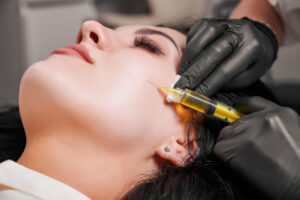
There are several melasma treatment options available. Although melasma can be stubborn, many people see improvement with the right care. Treatment choices include:Topical creams: Doctors often suggest creams with ingredients like hydroquinone, tretinoin, or corticosteroids. These help lighten dark patches over time.Procedures: For stubborn melasma, treatments like chemical peels, microdermabrasion, or laser therapy may help. However, these should only be done by trained professionals.Sun protection: Using sunscreen every day is key. Even on cloudy days, UV rays can make melasma worse. Choose a broad-spectrum sunscreen with SPF 30 or higher.
Because melasma can return, ongoing care is important. For example, stopping treatment too soon or skipping sunscreen can cause patches to come back. Always talk to your doctor before starting any new treatment.
Lifestyle and Skin Care Tips for Managing Melasma
Managing melasma symptoms often means making small changes in your daily routine. For better results, try these tips:Wear wide-brimmed hats and sunglasses outdoorsApply sunscreen every morning, even if you stay indoorsReapply sunscreen every two hours when outsideUse gentle skin care products to avoid irritationAvoid waxing areas with melasma, as it can worsen patchesEat a balanced diet and stay hydrated for healthy skin
Additionally, choosing makeup with SPF can add extra protection. Because sun exposure is a top trigger, these habits can make a big difference in managing melasma symptoms.
Prevention Strategies
While not all cases of melasma can be prevented, some steps may lower your risk. For example, you can:Limit time in direct sunlight, especially between 10 a.m. and 4 p.m.Use sunscreen with broad-spectrum protection every dayWear protective clothing, like hats and long sleevesTalk to your doctor before starting new hormone treatmentsChoose skin care products that are gentle and fragrance-free
Because melasma often returns, staying consistent with these habits is important. If you notice new patches or changes, seeing a dermatologist at Soumya’s Skin Clinic can help with how to prevent melasma from getting worse.