Many people notice changes in their skin, but sometimes these changes do not go away. Rosacea: Recognising Persistent Facial Redness and Skin Changes is important for early care. For instance, you may see redness on your cheeks, nose, or chin that lasts for weeks. Because this condition is common, it helps to know what to look for and when to seek help. Understanding rosacea can make it easier to manage your skin health every day.
What is Rosacea?
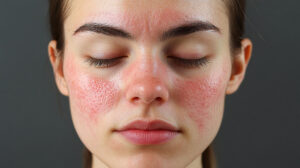
Rosacea is a long-term skin condition. It mainly affects the face. People with rosacea often see redness, bumps, or visible blood vessels. Sometimes, the skin feels hot or swollen. While anyone can get rosacea, it is more common in adults over 30. Although it is not dangerous, rosacea can cause discomfort and affect self-confidence. For this reason, learning about rosacea helps you spot signs early and talk to a dermatologist if needed.
Common Symptoms of Rosacea
Rosacea symptoms can vary from person to person. However, some signs appear more often. Early signs may look like simple blushing, but they can become more noticeable over time. For example, you might see:Persistent facial redness, especially on the cheeks, nose, chin, or foreheadSmall, red bumps or pimples that may contain pusVisible blood vessels (sometimes called spider veins)Burning or stinging sensations on the skinDry, rough, or swollen skin patchesEye irritation, such as redness or watery eyes
Because symptoms can change, it is helpful to keep track of your skin changes. Sometimes, symptoms get worse for weeks or months, then improve for a while.
Causes and Risk Factors
Doctors do not know the exact cause of rosacea. However, several factors may increase your risk. For example, genetics can play a role, as rosacea often runs in families. In addition, certain triggers can make symptoms worse. These include:Hot drinks or spicy foodsAlcohol, especially red wineSun exposure or hot weatherStress or strong emotionsHeavy exerciseSkin care products with harsh chemicals
While anyone can develop rosacea, it is more common in people with fair skin. Women are also more likely to get rosacea, but men may have more severe symptoms. Because triggers differ for each person, it helps to notice what makes your redness worse.
How Rosacea is Diagnosed
Doctors diagnose rosacea by looking at your skin and asking about your symptoms. There is no single test for rosacea. Instead, a dermatologist will check for common signs, such as facial redness or bumps. Sometimes, they may ask about your family history or recent changes in your skin care routine. For example, if you have eye symptoms, your doctor may check your eyes as well. Early diagnosis can help you manage symptoms and avoid triggers.
Treatment Options for Rosacea
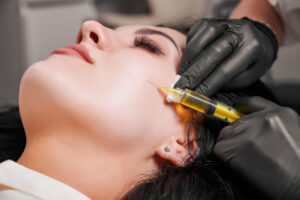
Although there is no cure for rosacea, many treatments can help control symptoms. Because each case is different, your doctor will suggest a plan that fits your needs. Common treatment options include:Topical creams or gels to reduce redness and swellingOral antibiotics for more severe casesLaser therapy to remove visible blood vesselsEye drops or ointments for eye symptoms
In addition, your doctor may recommend gentle skin care products. For best results, follow your treatment plan and let your doctor know if symptoms change.
Lifestyle Tips for Managing Rosacea
Simple changes can make a big difference in managing rosacea. For example, you can:Use a gentle cleanser and avoid scrubbing your faceApply sunscreen every day, even when it is cloudyChoose fragrance-free and alcohol-free skin care productsKeep a diary to track triggers and flare-upsManage stress with relaxation techniques
Because lifestyle habits affect your skin, small steps can help reduce redness and discomfort. Over time, you may find it easier to avoid triggers and keep your skin calm.
Preventing Rosacea Flare-Ups
Preventing flare-ups is possible with a few daily habits. First, protect your skin from the sun by wearing a wide-brimmed hat and using sunscreen. Next, avoid hot drinks and spicy foods if they trigger your symptoms. In addition, limit alcohol and choose cooler environments when possible. For many people, gentle skin care and stress management help prevent flare-ups. Because everyone is different, it may take time to find what works best for you. If you live in a sunny area or city, extra sun protection is important. Following these steps can help keep your skin healthy and comfortable.
Conclusion
If you notice ongoing redness or changes in your skin, Soumya’s Skin Clinic is here to help. Book a consultation today to get expert advice and support for your skin health.