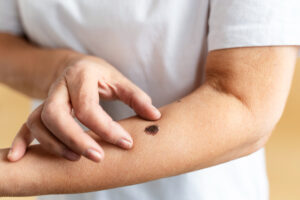
What Are Moles?
Moles are small spots on the skin. They are usually brown or black. Most people have between 10 and 40 moles. Moles form when skin cells grow in a cluster. These cells are called melanocytes. Usually, moles are harmless. However, knowing about moles when to seek care is important for your health.
Common Types of Moles
There are several types of moles. Each type looks a bit different. For example, some are flat, while others are raised. Here are the most common types:Congenital moles: Present at birth.Acquired moles: Develop later in life.Atypical moles (dysplastic nevi): Larger and have uneven color or shape.
Most moles stay the same over time. But sometimes, moles can change. Because of this, it is important to watch for any changes.
When Should You Be Concerned About a Mole?
Although most moles are safe, some can be a sign of skin cancer risk. You should pay attention to moles that look different or change quickly. For instance, if a mole grows, changes color, or feels different, it may need a closer look. Early care can help prevent problems.
Warning Signs: Symptoms to Watch For
It is helpful to know the warning signs of a problematic mole. The ABCDE rule can guide you:A – Asymmetry: One half looks different from the other.B – Border: Edges are uneven, ragged, or blurred.C – Color: The color is not the same all over.D – Diameter: The mole is larger than a pencil eraser (about 6 mm).E – Evolving: The mole changes in size, shape, or color.
Additionally, watch for itching, bleeding, or pain. If you notice any of these mole warning signs, it is best to act quickly.
How Are Suspicious Moles Diagnosed?
When you visit a doctor, they will examine your skin. Sometimes, they use a special tool called a dermatoscope. This tool helps them see the mole more clearly. If the mole looks unusual, the doctor may remove a small piece. This is called a biopsy. The sample is then checked for cancer cells. Because early diagnosis is key, do not delay if you see changes.
Treatment Options for Problematic Moles
If a mole is found to be risky, your doctor may suggest mole removal. There are a few ways to remove moles:Cutting out the mole with a small surgeryShaving off the moleUsing a laser in some cases
After removal, the area may need care to heal. Most treatments are quick and safe. However, always follow your doctor’s advice for the best results.
Prevention and Skin Health Tips
Taking care of your skin can lower your risk of problems. Here are some simple tips:Use sunscreen every day, even when it is cloudyWear hats and protective clothing outdoorsStay in the shade during peak sun hoursCheck your skin monthly for new or changing molesAvoid tanning beds
Because prevention is easier than treatment, these steps can help keep your skin healthy.
When to See a Dermatologist
It is wise to see a dermatologist if you notice:A new mole that looks different from othersA mole that changes in size, shape, or colorItching, bleeding, or pain in a moleMany atypical moles or a family history of skin cancer
Because early care can save lives, do not wait if you have concerns. Dermatologists are experts in skin health and can guide you on the next steps.
Conclusion
Most moles are harmless, but changes in size, shape, colour, or appearance should not be ignored. Regular skin checks help identify unusual changes early and support timely treatment. Early evaluation by a skin specialist can provide better outcomes and peace of mind.
Protect your skin health with expert dermatology guidance from Soumya’s Skin Clinic. Schedule your consultation now.