Introduction
Many people want smoother, younger-looking skin. As a result, non-surgical skin treatments are more popular than ever. You may have heard about skin boosters vs dermal fillers. Both use hyaluronic acid injections, but they work in different ways. Knowing the difference helps you choose the best facial rejuvenation option for your needs.
What Are Skin Boosters?
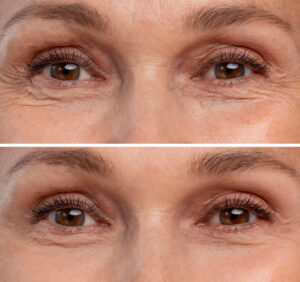
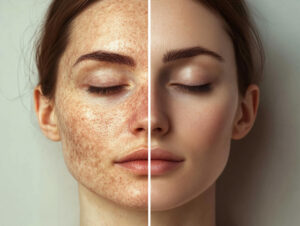
Skin boosters are gentle injections that hydrate and improve skin quality. They use hyaluronic acid, a natural substance found in your skin. Because hyaluronic acid attracts water, it helps skin look fresh and plump. Skin boosters do not add volume. Instead, they make skin smoother and more radiant. Usually, doctors inject them into the face, neck, or hands. According to dermatology research, skin boosters can help with dryness, fine lines, and dullness.
What Are Dermal Fillers?
Dermal fillers are also injections, but they add volume to the skin. Most fillers use hyaluronic acid, but some use other safe materials. Doctors use dermal fillers to fill deep lines, lift cheeks, or shape lips. For example, fillers can make lips fuller or soften smile lines. Unlike skin boosters, fillers change the shape or contour of your face. The effects can last from six months to two years, depending on the product and area treated.
Key Differences Between Skin Boosters and Dermal Fillers
Skin boosters improve skin texture and hydration, while dermal fillers add volume and shape.Both use hyaluronic acid, but skin boosters are thinner and spread more evenly.Dermal fillers target specific lines or areas, but skin boosters treat larger skin surfaces.Skin boosters give a natural glow, while fillers create more noticeable changes.
Indications and Uses for Each Treatment
Skin boosters are best for people who want:Hydrated, glowing skinFewer fine linesImproved skin textureHelp with mild acne scars
Dermal fillers are best for those who want:Fuller lips or cheeksTo fill deep wrinklesTo lift sagging skinTo shape the jawline or chin
Benefits and Potential Side Effects
Both treatments offer many benefits. For instance, they are quick, non-surgical, and have little downtime. Skin boosters give a fresh, dewy look. Dermal fillers can restore lost volume and smooth deep lines. However, side effects can happen. Common side effects include:Redness or swelling at the injection siteBruisingMild pain or tenderness
Rarely, more serious problems like infection or allergic reaction can occur. Choosing a trained provider reduces these risks. The World Health Organization and dermatology experts stress the importance of safety and proper technique.
How to Choose the Right Option
Choosing between skin boosters and dermal fillers depends on your goals. If you want a natural glow and better skin texture, skin boosters may work best. On the other hand, if you want to add volume or shape, dermal fillers are a better choice. Always talk to a qualified doctor. They will assess your skin and explain the best facial rejuvenation options for you.
Safety, Risks, and Aftercare
Both treatments are considered safe when done by trained professionals. Still, you should follow aftercare instructions to lower risks. After treatment, avoid touching the area for a few hours. Also, do not use makeup right away. For best results, stay out of the sun and avoid heavy exercise for 24 hours. If you notice unusual pain, swelling, or redness, contact your doctor. According to the CDC, reporting any side effects helps improve safety for everyone.
Frequently Asked Questions (FAQ)
Are skin boosters and dermal fillers painful? Most people feel only mild discomfort. Doctors often use numbing cream to help.How long do results last? Skin boosters last about six months. Dermal fillers can last six months to two years.Can I combine both treatments? Yes, many people use both for better results. Your doctor can suggest the best plan.Who should avoid these treatments? People with certain allergies, infections, or skin diseases should not get injections. Always check with your doctor first.Is there downtime after treatment? Usually, you can return to normal activities the same day. Some swelling or bruising may last a few days.