Many people notice changes in their skin as they age. Often, the terms “fine lines” and “wrinkles” come up. But what is the real difference between fine lines and wrinkles? Understanding fine lines vs wrinkles can help you care for your skin better. In this blog, you will learn about the signs, causes, and treatments for both.
What Are Fine Lines?
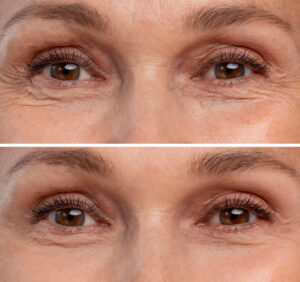
Fine lines are small, shallow lines that appear on the skin’s surface. Usually, they are the first signs of skin aging. For example, you may see them around your eyes or mouth. Because fine lines are so thin, they can be hard to notice at first. Over time, however, they may become more visible. Fine lines often show up due to repeated facial movements, such as smiling or squinting. According to dermatology experts, these lines form when the skin loses some of its natural moisture and elasticity.
What Are Wrinkles?
Wrinkles are deeper lines or folds in the skin. Unlike fine lines, wrinkles are more noticeable and can appear anywhere on the face or body. As people age, their skin becomes thinner and less firm. Therefore, wrinkles may form and become more pronounced. Wrinkles can be static, meaning they are always visible, or dynamic, which means they appear with facial movement. The World Health Organization notes that wrinkles are a common sign of natural skin aging.
Key Differences Between Fine Lines and Wrinkles
Although fine lines and wrinkles look similar, there are important differences. For instance, fine lines are:Shallow and thinUsually less than 1 millimeter deepOften appear first around the eyes and mouth
On the other hand, wrinkles are:Deeper and more pronouncedCan be several millimeters deepMay appear on the forehead, cheeks, neck, and hands
Because wrinkles are deeper, they are harder to treat than fine lines. Understanding the difference between fine lines and wrinkles helps you choose the right care for your skin.
Causes of Fine Lines and Wrinkles
Many factors cause fine lines and wrinkles. Some of the most common causes include:Natural aging, which reduces skin elasticityRepeated facial expressions, such as frowning or laughingSun exposure, which damages skin cellsSmoking, which lowers blood flow to the skinPoor diet, which may reduce skin healthLack of sleep, which slows skin repair
Additionally, genetics play a role in how and when these signs appear. According to the CDC, sun protection is one of the best ways to prevent early skin aging signs.
How to Identify Fine Lines vs Wrinkles
It can be tricky to tell the difference between fine lines and wrinkles. However, there are some easy ways to spot them:Fine lines are thin, short, and often appear in clustersWrinkles are deeper, longer, and may form folds or creasesFine lines may fade when you relax your face, while wrinkles usually stay
For example, look closely at the skin around your eyes or mouth. If you see faint lines that come and go, they are likely fine lines. If the lines stay even when your face is still, they are probably wrinkles.
Prevention Tips for Fine Lines and Wrinkles
While you cannot stop aging, you can slow down the signs. Here are some tips to help prevent fine lines and wrinkles:Use sunscreen daily to protect against UV raysMoisturize your skin to keep it soft and hydratedEat a balanced diet rich in fruits and vegetablesDrink plenty of water each dayAvoid smoking and limit alcohol useGet enough sleep every nightUse gentle cleansers and avoid harsh scrubbing
Because prevention is easier than treatment, starting these habits early can make a big difference.
Treatment Options for Fine Lines and Wrinkles
Many treatments for fine lines and wrinkles are available today. Some options include:Topical creams with retinoids or peptidesMoisturizers with hyaluronic acidProfessional treatments like chemical peels or microdermabrasionLaser therapy to boost collagenBotox or fillers for deeper wrinkles
However, not all treatments work for everyone. It is best to talk to a dermatologist before starting any new skin care routine. According to peer-reviewed studies, early treatment can help reduce the look of both fine lines and wrinkles.
Lifestyle Habits That Impact Skin Aging
Everyday habits play a big role in skin aging. For example, regular exercise can improve blood flow and skin health. In addition, managing stress helps your skin repair itself. Avoiding tanning beds and wearing hats outdoors can also protect your skin. Because healthy habits support your skin, they can delay the signs of aging. The CDC and WHO both recommend a healthy lifestyle for better skin and overall health.