What Is Acne Vulgaris?
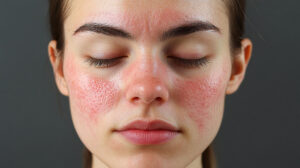
Acne vulgaris is a common skin condition. It causes pimples, blackheads, and whiteheads. Usually, it appears on the face, back, and chest. Many people ask, “Why do I get acne?” Understanding the causes of acne vulgaris can help you manage and prevent breakouts. According to the World Health Organization (WHO), acne affects people of all ages, but it is most common in teenagers.
Main Causes of Acne Vulgaris
Several factors lead to acne. While some are out of your control, others can be managed. Here are the main causes of acne vulgaris:Excess oil (sebum) productionClogged hair folliclesBacteria on the skinInflammation
For example, when oil and dead skin cells block pores, pimples can form. In addition, bacteria can grow in these blocked pores, causing redness and swelling. These are common acne triggers.
Hormonal Factors
Hormones play a big role in acne. During puberty, hormone levels rise. This causes oil glands to produce more sebum. As a result, teenagers often get more pimples. However, adults can also get acne due to hormonal changes. For instance, women may notice breakouts before their period or during pregnancy. The Centers for Disease Control and Prevention (CDC) notes that hormonal changes are a leading factor in acne development.
Genetic Influences
Genetics can affect your risk of acne. If your parents had acne, you are more likely to get it too. Although you cannot change your genes, knowing your family history can help you understand your risk. Some people have skin that is more likely to clog or react to hormones. This is one of the key factors leading to acne.
Lifestyle and Environmental Triggers
Your daily habits can also impact your skin. For example, certain lifestyle choices and environmental factors may trigger or worsen acne. Here are some common triggers:Using oily or greasy skin productsWearing tight clothing or hatsHigh stress levelsEating foods high in sugar or dairy (though research is ongoing)Exposure to pollution or humidity
Moreover, touching your face often can spread bacteria and oil. To help with preventing acne breakouts, try to keep your skin clean and avoid harsh products.
Common Myths About Acne Causes
Many myths surround acne. However, not all beliefs are true. Here are some common myths:Eating chocolate always causes acne (no strong evidence supports this)Only teenagers get acne (adults can get it too)Poor hygiene is the main cause (acne is not just about cleanliness)Sun exposure clears acne (it may actually make it worse)
Therefore, it is important to rely on facts from trusted sources like dermatology journals and the CDC.
When to See a Dermatologist
Sometimes, acne does not improve with home care. If your acne is severe, painful, or causing scars, it is time to see a dermatologist. Additionally, if you feel upset or embarrassed about your skin, a doctor can help. Dermatologists can suggest treatments tailored to your needs. Early treatment can prevent lasting marks and boost your confidence.
In summary, understanding the causes of acne vulgaris can help you make better choices for your skin. For personalized advice on managing acne vulgaris, consult a dermatologist at Soumya’s Skin Clinic.