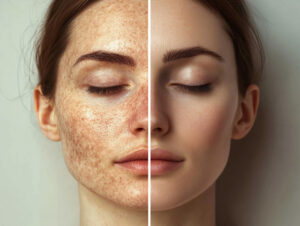
What is Hyperpigmentation?
Hyperpigmentation is a common skin condition. It causes some areas of your skin to appear darker than others. These dark patches can show up anywhere on the body. Often, people notice them on the face, hands, or arms. Because many people want to improve uneven skin tone, understanding hyperpigmentation is important. Although it is usually harmless, it can affect how you feel about your appearance.
Common Causes of Hyperpigmentation
There are several reasons why hyperpigmentation develops. Knowing the causes can help you find the best skin discoloration remedies. Some common causes include:Sun exposure: Too much sunlight can increase melanin, making skin darker.Hormonal changes: Pregnancy or birth control pills can trigger dark spots, called melasma.Inflammation: Skin injuries, acne, or eczema may leave dark marks after healing.Medications: Some drugs, like certain antibiotics, can cause skin discoloration.Medical conditions: Diseases like Addison’s disease may also cause dark patches.
Because these causes vary, it is helpful to know what might be affecting your skin.
How to Identify Hyperpigmentation
It is easy to spot hyperpigmentation. Usually, you will see flat, dark spots or patches on your skin. These areas can be brown, black, or even gray. For example, freckles, age spots, and melasma are all types of hyperpigmentation. However, not all dark spots are the same. If you notice new or changing spots, it is wise to check with a doctor. Sometimes, skin changes can signal other health issues.
Effective Ways to Improve Skin Tone
Many people ask how to treat hyperpigmentation. Fortunately, there are several ways to improve uneven skin tone:Use sunscreen daily: Sunscreen helps prevent spots from getting darker.Try gentle skin care products: Look for creams with vitamin C, niacinamide, or licorice extract.Consider over-the-counter creams: Products with ingredients like hydroquinone or retinoids may help lighten dark spots.Professional treatments: Dermatologists may suggest chemical peels, laser therapy, or microdermabrasion.Healthy habits: Eating a balanced diet and staying hydrated can support skin health.
Because everyone’s skin is different, results may vary. Always follow instructions and start with gentle options.
Prevention Tips for Hyperpigmentation
Although you cannot always prevent hyperpigmentation, you can lower your risk. Here are some helpful tips:Apply broad-spectrum sunscreen every day, even when it is cloudy.Wear hats and protective clothing when outdoors.Avoid picking at pimples or scabs, as this can cause dark marks.Use gentle skin care products to avoid irritation.See a doctor if you notice sudden or severe skin changes.
Because prevention is easier than treatment, these steps can help keep your skin even and healthy.
When to See a Dermatologist
Sometimes, home remedies are not enough. If your dark spots do not improve or get worse, it is time to see a dermatologist. For example, if you notice pain, bleeding, or rapid changes in your skin, seek medical advice. A dermatologist can suggest the best hyperpigmentation treatment for your needs. In many cities, you can find experts who offer advanced care for skin discoloration.
Conclusion
Hyperpigmentation is common, but achieving a more even skin tone starts with understanding its cause. With proper sun protection, gentle skincare, and the right dermatological treatment, unwanted pigmentation can often be improved safely and effectively. Avoid self-treating persistent pigmentation and seek professional guidance for a personalized plan.
Concerned about pigmentation or uneven skin tone? Consult a dermatologist at Soumya’s Skin Clinic for expert evaluation and a personalized treatment plan to help restore healthier, more even-looking skin.