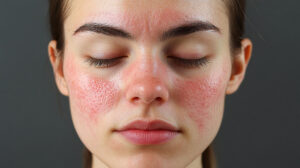
What is Psoriasis?
Psoriasis is a lifelong skin condition that affects millions of people worldwide. It causes skin cells to grow too quickly, leading to thick, red, and scaly patches. Although it is not contagious, psoriasis can be uncomfortable and sometimes painful. For many, it also affects daily life and self-esteem. Because it is a chronic skin condition, managing psoriasis often requires ongoing care and attention.
Common Symptoms
Psoriasis symptoms can vary from person to person. However, some signs are more common. Early recognition helps in seeking timely care. Look for these symptoms:Red patches of skin covered with silvery scalesDry, cracked skin that may bleedItching, burning, or sorenessThickened or ridged nailsSwollen or stiff joints (in some cases)
Sometimes, symptoms flare up and then improve. But for many, they return again and again.
Causes and Risk Factors
Psoriasis is caused by an overactive immune system. This makes skin cells grow faster than normal. While the exact cause is not fully known, several factors can increase your risk:Family history of psoriasisInfections, such as strep throatStress or injury to the skinCertain medications (like lithium or beta-blockers)Smoking or heavy alcohol use
Although anyone can get psoriasis, it often starts between ages 15 and 35. Still, it can appear at any age.
Diagnosis
Doctors usually diagnose psoriasis by looking at your skin. Sometimes, they may take a small skin sample to check under a microscope. This helps rule out other skin problems. Early diagnosis is important because it allows for better management and relief from symptoms.
Treatment Options
There is no cure for psoriasis, but many treatment options can help control symptoms. Your doctor may suggest:Topical creams or ointments (like corticosteroids)Light therapy (using special UV light)Oral medications or injections for severe casesMoisturizers to reduce dryness and scaling
Because each person is different, treatment plans may vary. For best results, follow your doctor’s advice and report any side effects.
Lifestyle Tips for Managing Psoriasis
Living with psoriasis can be challenging. However, simple lifestyle changes can make a big difference. Consider these tips:Keep your skin moisturized every dayAvoid harsh soaps and hot waterManage stress with relaxation techniquesEat a balanced diet rich in fruits and vegetablesLimit alcohol and avoid smoking
With these steps, many people find their symptoms improve over time.
Prevention and Self-Care
While you cannot prevent psoriasis completely, you can reduce flare-ups. For example, protect your skin from cuts and sunburn. Also, try to avoid triggers like stress or certain medications. Regular self-care and healthy habits help keep your skin in better condition.
When to See a Dermatologist
If you notice new or worsening symptoms, it is important to see a dermatologist. Early treatment can prevent complications. You should also seek help if:Your skin becomes very painful or infectedYou have trouble with daily activitiesYour joints become swollen or stiff
Remember, a dermatologist can help you find the best psoriasis treatment options for your needs.
For personalized advice and effective psoriasis management, consult a dermatologist at Soumya’s Skin Clinic today.