What Is Teenage Acne?
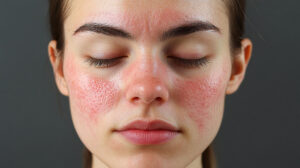
Teenage acne is a common skin problem. It affects many teens around the world. According to the World Health Organization, up to 85% of teenagers get acne at some point. Acne happens when hair follicles get clogged with oil and dead skin cells. As a result, pimples, blackheads, or whiteheads can form. While acne is not dangerous, it can cause stress and affect self-esteem.
Common Symptoms and Types of Acne in Teenagers
Teenage acne can show up in different ways. For example, some teens get only a few pimples, while others may have more severe breakouts. Common symptoms include:Red or swollen bumps (pimples)Blackheads (open clogged pores)Whiteheads (closed clogged pores)Painful lumps under the skin (cysts)Oily skin
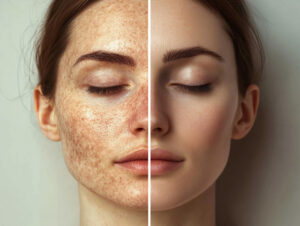
Sometimes, acne can leave dark spots or scars. However, early care can help prevent these problems.
Main Causes and Risk Factors
Many things can cause teenage acne. Hormone changes during puberty are a main reason. Because of these changes, the skin makes more oil. Other risk factors include:Family history of acneStress or lack of sleepUsing oily or greasy skin productsPoor diet, such as eating lots of sugary foodsWearing tight hats or helmets
Even though these factors play a role, not all teens with these risks will get acne.
The Importance of Early Dermatology Care
Early dermatology care for teens is very important. When acne is treated early, it can stop the problem from getting worse. In addition, early care can help prevent scars and boost confidence. Dermatologists can suggest the best teenage acne treatment for each person. They also teach healthy skin habits. As a result, teens feel better about their skin and themselves.
Diagnosis: When and How to Seek Professional Help
Sometimes, home care is not enough. If acne is painful, leaves scars, or does not improve after a few weeks, it is time to see a dermatologist. Early dermatology care for teens can make a big difference. A doctor will look at the skin and ask about symptoms. They may suggest tests if needed. After that, they will recommend the right treatment plan.
Treatment Options for Teenage Acne
There are many teenage acne treatment options. Some are medical, while others involve lifestyle changes. Common treatments include:Topical creams or gels with ingredients like benzoyl peroxide or salicylic acidPrescription medicines for severe acneGentle face washing twice a dayUsing oil-free skin productsEating a balanced diet with less sugar and processed foods
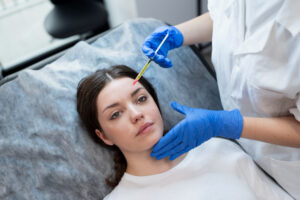
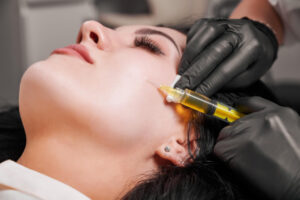
In some cases, doctors may suggest special treatments like light therapy. However, it is important to follow the doctor’s advice for the best results.
Prevention Tips and Healthy Habits
While not all acne can be prevented, healthy habits can help. For example, teens can:Wash their face gently every morning and nightAvoid touching or picking at pimplesUse non-comedogenic (non-pore-clogging) productsKeep hair clean and away from the faceEat more fruits, vegetables, and whole grainsGet enough sleep and manage stress
With these steps, teens can support healthy skin and reduce breakouts.
Addressing Myths and Misconceptions
There are many myths about teenage acne. For instance, some people think eating chocolate always causes acne. However, research shows this is not true for everyone. Another myth is that only dirty skin causes acne. In reality, even clean skin can get pimples. It is also false that acne will go away on its own for all teens. Because of this, early dermatology care for teens is important.
Emotional and Social Impact of Acne
Acne can affect more than just the skin. Many teens feel embarrassed or sad because of breakouts. Sometimes, they avoid social events or feel less confident. According to the CDC, mental health is just as important as physical health. Therefore, talking to a trusted adult or counselor can help. Support from family and friends also makes a big difference.
Conclusion: Take Action for Healthy Skin
Teenage acne is common, but early dermatology care matters. With the right treatment and habits, teens can manage acne and feel better. If you or your teen struggles with acne, consult a dermatologist Soumya’s Skin Clinic for personalized advice on teenage acne care.